![[DEV] SC Policy Council](https://assets.nationbuilder.com/themes/64c02d01e8919c40538c4526/attachments/original/1677010541/logo-sc_policy.png?1677010541)
Research
-

Statehouse Update February 10-12
Update: Adjustments were made to this summary to reflect developments that occurred during the week. Reform is the word of the week at the Statehouse. Judicial reform is on the House floor, tax reform is on the floor in both chambers, and various committees and subcommittees will hear bills on...
Written by Brendan Connors
February 09, 2026 -
Big spending, bigger choices for South Carolina
South Carolina lawmakers are once again facing an important choice. As budget subcommittees meet through early February and the Senate prepares to debate income tax reform on the floor, the state must decide whether strong revenue growth will be used to expand government or to deliver lasting tax relief.
Written by Vance Ginn, Ph.D.
February 09, 2026 -
The South Carolina Policy Council’s 2026 Winter Poll
With the start of 2026, the second half of the legislative session is underway. Both new and existing proposals are moving through the South Carolina Statehouse. To provide lawmakers, members of the media, and the public with the most up-to-date insight into where likely South Carolina voters stand on key...
Written by Sam Aaron
February 04, 2026 -

Statehouse Update February 3-5
Update 2/4/26: Adjustments were made to this summary to reflect developments that occurred during the week. After another snowy weekend in South Carolina, lawmakers in the Senate are starting to work on data center reform with a major reform bill scheduled for committee this week. The House has unveiled its...
Written by Brendan Connors
February 02, 2026 -

Analysis: Bill seeks to modernize South Carolina’s regulatory framework
The burden of overregulation is one of the largest obstacles preventing South Carolina from reaching its full economic potential. H.3021, also known as the Small Business Regulatory Freedom Act, seeks to limit overregulation and help businesses flourish. Summary
Written by Brendan Connors
January 30, 2026 -

Statehouse Update January 28-29
Update 1/29/26: Adjustments were made to this summary to reflect developments that occurred during the week. Although South Carolina was spared the brunt of the winter storm this past weekend, it was enough for the Statehouse to cancel all but two committee hearings on Tuesday. Despite the one-day delay, lawmakers...
Written by Brendan Connors
January 27, 2026 -

Hollywood handouts: Why giveaways harm South Carolina
South Carolina is in the process of making the state a more competitive and attractive business environment across all industries, including the consideration of tax cuts for residents.
Written by Neil Wolin
January 23, 2026 -

Statehouse Update January 20-22
Update 1/22/26: Adjustments were made to this summary to reflect developments that occurred during the week. It is week two at the Statehouse and lawmakers have their hands full with tax reform in the Senate and judicial reform in the House. Members in both chambers are also looking to move on...
Written by Brendan Connors
January 19, 2026 -

FY 27: Another year of big state spending?
On Monday, S.C. Gov. Henry McMaster released his proposed state spending plan for fiscal year 2027, which starts July 1.
Written by Sam Aaron
January 16, 2026 -
Where Does South Carolina Rank in Economic Freedom?
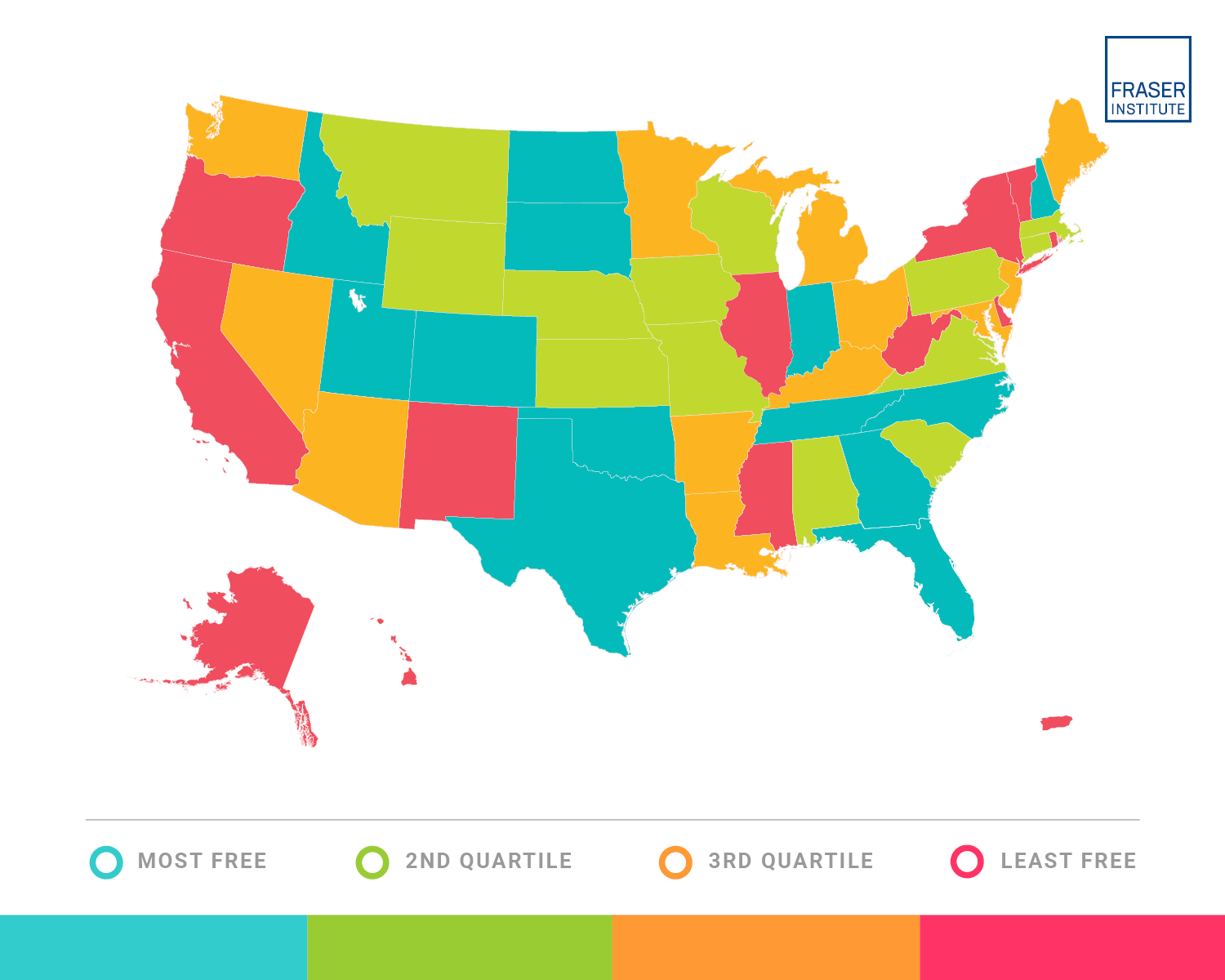
South Carolina ranks 21st nationally with an overall score of 6.84 in the Economic Freedom of North America (EFNA) report published by the Fraser Institute. People have more economic freedom when they are allowed to make more of their own economic choices. Based on 2023 data, the ranking places the...
Written by Vance Ginn, Ph.D.
January 16, 2026