![[DEV] SC Policy Council](https://assets.nationbuilder.com/themes/64c02d01e8919c40538c4526/attachments/original/1677010541/logo-sc_policy.png?1677010541)


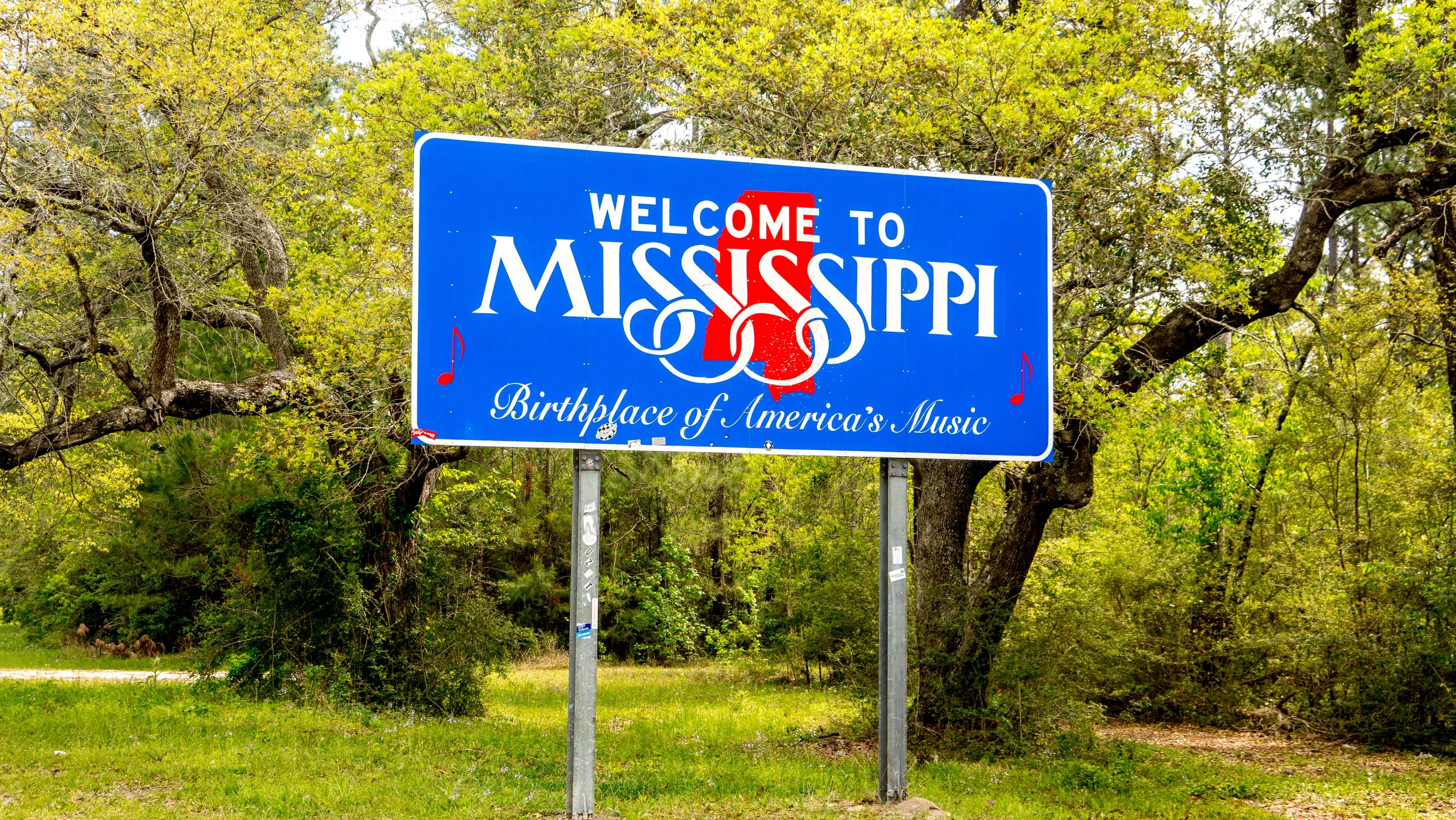
Mississippi’s recent rise in education is teaching a lesson that policymakers across the country are watching closely, given the state’s long-standing reputation for struggling in national rankings summed up by the old saying, “Thank God for Mississippi.”
How did a state once reliably seated at the bottom of every list climb into the top 10 for fourth-grade reading outcomes in 2024?
Measuring the Miracle
The National Assessment of Educational Progress (NAEP) is a national measurement of academic achievement between states in core subjects. Every two years, NAEP administers reading and math assessments to students in fourth and eighth grades.
Comparing NAEP scores can help paint a better picture of what really caused improvement in Mississippi and how other states can improve upon the plan outlined by Mississippi.
Here are Mississippi’s average NAEP fourth-grade reading scores from 2011 to 2024 compared to the state’s national rank:
Mississippi NAEP | Grade 4 | Reading
| Year | Average Reading Score | Rank Among States |
| 2011 | 209 | 48 |
| 2013 | 209 | 49 |
| 2015 | 214 | 47 |
| 2017 | 215 | 44 |
| 2019 | 219 | 29 |
| 2022 | 217 | 21 |
| 2024 | 219 | 9 |
The average fourth-grade reading score increased by 10 points between 2013 and 2019 before plateauing in 2019, although its ranking continued to rise compared to other states. South Carolina, on the other hand, improved by only two points from 214 in 2013 to 216 in 2019. Mississippi’s rapid rise in reading scores is worth paying close attention to.
This meteoric rise, dubbed the “Mississippi Miracle,” has been credited to significant education reforms driven by legislation. However, critics argue that the “miracle” narrative may be overstated, noting that nationwide score declines following COVID-19 lockdowns have exaggerated Mississippi’s success.
What Changed: Literacy-Based Promotion Act
In 2013, the Mississippi Legislature passed the Literacy-Based Promotion Act (LBPA) with two main policy directives. Starting in the 2014-15 school year, early reading education would shift to a focus on phonics – the relationship between spoken sounds and the letters or groups of letters that represent the sounds – during the crucial kindergarten through third grade years.
Additionally, schools would be required to implement a third-grade “gate,” a policy ensuring students only pass third grade once they can read at or above grade level. These policy changes led to a measurable improvement in fourth-grade reading outcomes.
Nationwide NAEP data shows that average fourth-grade reading scores remained relatively unchanged throughout the 2000s until COVID-19, but from 2019 to 2024, 48 states reported a decline in average fourth-grade reading scores. Louisiana was the only state to report an increase in average scores; Mississippi’s scores remained flat during that period though had vastly improved from 2013.
While it is undeniable that the LBPA had a positive effect on fourth-grade reading outcomes in Mississippi, its impact on middle schoolers is more complex.
Here are Mississippi’s average NAEP eighth-grade reading scores from 2011 to 2024 compared to the state’s national rank:
Mississippi NAEP | Grade 8 | Reading
| Year | Average Reading Score | Rank Among States |
| 2011 | 254 | 50 |
| 2013 | 253 | 50 |
| 2015 | 252 | 50 |
| 2017 | 256 | 49 |
| 2019 | 256 | 45 |
| 2022 | 253 | 45 |
| 2024 | 253 | 41 |
The changes in average eighth-grade reading scores have been statistically insignificant, a stark contrast to the 10-point increase in the average fourth-grade reading scores. Mississippi, however, still climbed in the national rankings.
Looking at the timeline, we see that the first class of students to receive phonics-based reading education in elementary school were also in middle school during the COVID-19 lockdowns. These trends suggest that the LBPA did not directly improve middle school outcomes; however, students in Mississippi regressed less than most states.
Other challenges
In addition to stagnant middle school outcomes, Mississippi continues to struggle with rising absenteeism. Since 2016, the Mississippi Department of Education (MDE) has tracked annual rates of chronic absenteeism, defined as students who miss at least 10% (18 days in a typical 180-day year) of the school year. In the 2016-17 school year, 14.2% of Mississippi students met that threshold; by 2024-25, the rate had nearly doubled to 27.6%.
The state’s limited school-choice options also remain a major barrier. Mississippi offers private school choice only for special needs students through an Education Scholarship Account (ESA) and two small voucher programs.
A report published earlier this year by the Mississippi Center for Public Policy includes proposals for both an ESA and a voucher system via tax credits. If any state wants to unlock the full potential of education, private school-choice options must be expanded to all students regardless of age, ability, or socioeconomic status.
What can S.C. lawmakers take from this?
South Carolina lawmakers can take away two major lessons. First, phonics-based instruction gives young readers a strong foundation. Second, students who fail to meet grade-level standards should not be advanced prematurely.
There’s a common misconception that holding students back is harsh, but the opposite is true. It isn’t compassionate to promote a child who hasn’t mastered the material. Ensuring students can read proficiently before advancing is an act of care, not punishment.
Pairing these two educational reforms with the ESA program that lawmakers recently passed will ensure that public education is not advancing students who have failed to meet the mark.
This report may be republished in whole or in part, provided that proper credit is given to the author(s) and the South Carolina Policy Council.